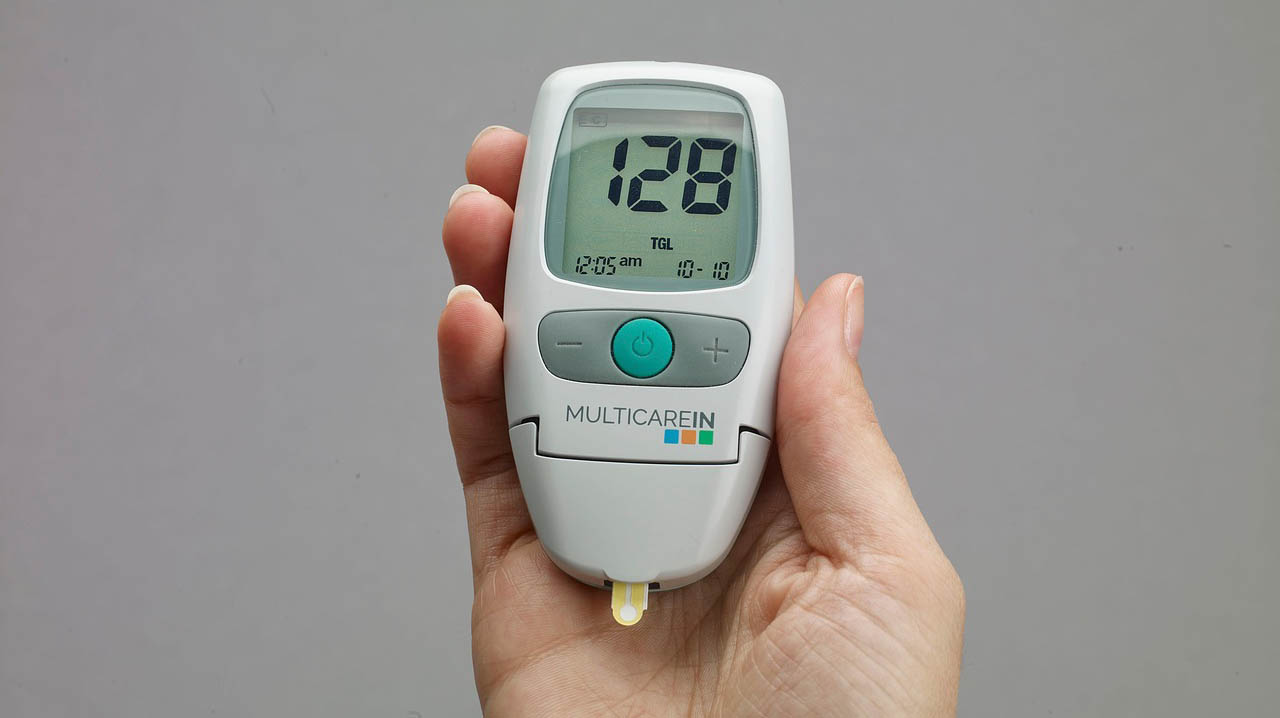
The relationship between diabetes and sleep can be very complicated. Although it is important to have good health with adequate sleep, sleep issues are prevalent in diabetic individuals, and it is hard to have a sound night’s sleep.
Erratic blood sugar levels can influence your sleep, and diabetes complications, including neuropathy (nerve damage) and pain in your feet, can lead to sleep disturbances.
This article provides a comprehensive discussion of the connection between diabetes and sleep, as well as sleep-enhancing methods and useful tips on how to sleep more comfortably.
Why Does Diabetes Have an Impact on Sleep?
You don’t necessarily develop diabetes with the expectation that your sleep will be compromised. It’s really about the symptoms of diabetes and whether they are well controlled.
Some symptoms create issues when attempting to get adequate rest.
- Frequent urination: Excessive night-time blood sugar can make you wake up several times to urinate.
- Dehydration: Elevated blood glucose levels in the body draw water out of the tissues, resulting in dehydration. This can cause you to wake up and drink water.
- Shaking, dizziness, and sweating: Low blood sugar symptoms can interfere with sleep.
In a review of research, scientists compared 97 studies on sleep and diabetes. They inferred that the two-way connection between sleep and diabetes is the fact that good control of diabetes enhances sleep quality and good sleep facilitates the control of diabetes. If you are having a hard time dealing with this cycle, the best diabetes doctor in Patna can give you a customised control plan.
Though the link between sleep and diabetes is well established, further research is required to find out the exact mechanisms involved in this association.
Sleep and Blood Sugar
Nighttime low blood sugar, known as hypoglycaemia, may affect individuals with type 1 diabetes and decrease their sleep quality. Individuals with other forms of diabetes who take insulin or other drugs that lower blood sugar may experience night highs and night lows as well.
Nighttime low blood sugar may make you sleepy the following day, and frequent nighttime low blood sugar can disrupt sleep and shift your sleep routine.
High blood sugar, or hyperglycaemia, may have an effect on sleep as well. It may increase the need to urinate at night, which can result in interrupted sleep. It may also bring about the symptoms of thirst and headache, which can make it hard to get to sleep. If you have diabetes and find yourself often experiencing highs or lows in blood sugar at night, or if you are a parent or caregiver of a child with diabetes who has an interrupted night because of high or low blood sugar, consulting your medical team is highly suggested. Your best diabetes doctor in Patna at Prakash Diabetes Hospital can make adjustments in your treatment plan.
How Does Diabetes Influence Your Sleep Cycle?
Diabetes has various ways of interrupting your sleep cycle. Blood sugar fluctuations and related complications may cause insomnia, frequent wakefulness, and risk of sleep disorders, thus impacting the quality of your sleep.
Blood Sugar Fluctuations
Diabetes is a state in which the body fails to manage blood sugar levels properly, leading to either high (hyperglycaemia) or low (hypoglycaemia) levels. Both situations can disturb sleep.
Elevated blood sugar is responsible for thirst and frequent urination, but night sweats, nightmares, hunger, and shaking are associated with low blood sugar.
Sleep Apnoea
Diabetics are at higher risk of developing sleep apnoea, a condition where breathing gets interrupted repeatedly during sleep. This condition, commonly associated with glucose metabolic changes and insulin resistance in diabetics, results in frequent waking and interrupts the normal sleeping cycle.
Neuropathy and Restless Legs Syndrome
Diabetes can cause neuropathy, a nerve-damaging condition that affects the legs and feet more commonly. Neuropathy causes pain in the form of a burning or tingling sensation, and discomfort at night can intensify.
Suggestions for Improved Sleep
Use the following suggestions to get a better night’s sleep:
Do not use electronic devices before bedtime.
Avoid using your phone or e-reader right before bed. Even the dim light from a screen can disrupt your body’s natural sleep-wake cycle (circadian rhythm), making it harder to fall asleep. Read a physical book or do other relaxing activities before bed to calm your mind and reduce eye strain.
Eliminate distractions.
Silence your phone if you’re getting messages at night. Purchase an alarm clock rather than an alarm app on your phone. This will prompt you to switch off your phone, lessening the desire to make use of it during the night.
Employ white noise.
While birdsong is a nice sound to wake up to, it can interfere with your sleep. The sound of garbage trucks, street cleaners, and early morning traffic can also interfere with your sleep. If you’re having trouble sleeping, switch on a ceiling fan or central air conditioner to drown out the sounds. Noise-cancelling gadgets or a phone app that provides a choice of soothing sounds for sleep are also available.
Stick to a consistent sleep schedule.
Attempt to sleep and rise at the same time daily, including weekends. Once you have settled on this routine, your body will gradually begin to feel drowsy at night and wake up by itself.
Don’t drink or use stimulants in the evening.
Steer clear of things that might excite you in the evening, like alcohol, caffeinated beverages, strenuous exercise, or even household chores. If you like exercising at night, try gentle yoga or stretches to gently calm your body down before bed. Strenuous exercises raise your heart rate, which makes it more difficult for your body to relax and sleep.
Make your sleeping space comfortable.
A comfortable setting is needed to sleep well. If you can afford it, get a good mattress. This can make a big difference in how well you sleep, particularly if you have been sleeping on the same mattress for years. Keep your bedroom at a comfortable temperature to improve your sleep. Lower temperatures are usually ideal for sleeping, so try turning down your thermostat or using an electric fan at night.
How much sleep is appropriate for me?
A majority of professionals suggest 7-9 hours nightly for adults, 9-13 hours for children, and 12-17 hours for babies.
A lack of sleep or too much sleep can influence your energy, drive, and mood. If you’re consistently sleepy throughout the day, you are probably not sleeping enough.
While most people experience occasional sleep deprivation, getting less than seven hours of sleep regularly increases your risk of serious health conditions, including high blood pressure, heart disease, stroke, depression, and pain.
When should I see a doctor?
If your sleep is consistently interrupted by episodes of numbness, burning, or restless legs, it may not be a matter of poor sleeping habits. It may be diabetic neuropathy or restless legs syndrome.
Prakash Diabetes Hospital provides end-to-end diabetes care and treatment for complications. To get the best diabetes specialist in Patna, you’ve come to the right place. Under the guidance of our medical professionals, you can control your symptoms and enhance your life.
Conclusion
High blood sugar and poor sleep have close relevance to each other. But with good control, medical treatment, and lifestyle modifications, this vicious cycle can be interrupted. Don’t let uneasiness prevent you from having a good night’s sleep. If you are facing any health issues, it is crucial that you sort them out and get in touch with an expert. Prakash Diabetes Hospital, one of the best diabetes hospitals in Patna, is here to assist you. Our team of professional endocrinologists and neurologists is committed to ensuring that you get the right treatment.
Individuals with diabetes must know that their condition tends to affect their sleep cycle greatly. Sleep disorders in diabetic individuals tend to cause daytime fatigue, exacerbate complications of diabetes, and affect the overall health of an individual. Thus, active diabetes control through frequent monitoring of blood sugar levels, proper medication adherence, and healthy living is essential for enhanced sleep. For the best advice, the top diabetes doctor in Patna is accessible in our hospital.
Frequently Asked Questions
Can diabetes be caused by poor sleep?
Yes, chronic sleep issues can disrupt hormone regulation and insulin sensitivity, promoting diabetes.
Why is leg pain worse at night?
This may be caused by diabetic neuropathy. Symptoms, including burning or tingling, tend to worsen when resting or before sleep.
How does high blood sugar impact sleep?
It can lead to frequent urination, thirst and anxiety, which all disturb the sleep pattern.
What is restless legs syndrome?
It is a neurological disorder that makes you have an irresistible urge to move your legs, particularly while in bed. It is very common in diabetics.
Can sleeping well control diabetes?
Yes, sleep promotes blood sugar control, lessens stress, and improves health overall.
Write Reviews
Leave a Comment
No Comments & Reviews