
“It’s just the heat.” “I’m getting older.” “Probably weakness, I’ll take a tonic.”
Most of us would have said something similar to this at one point or another. And most of the time it turns out to be nothing. However, sometimes these seemingly innocuous statements are the first indicators that your body is trying to put out that something is wrong. Ask any of the best Diabetes doctors in Patna or India, because I am sure they have heard similar stories from their patients, who had no idea that they were diabetic until their test results came out.
Good news about type 2 diabetes is that it usually creeps up on you slowly, giving you enough warning signs to know something is not quite right
10 subtle signs of type 2 diabetes (in Indians) that are easily overlooked
Go through this list, and if you can check off two or more of them, maybe it is time you got your blood tested for glucose levels
The first five: signs that feel like everyday life
1. You’re thirsty all the time
In a Patna summer, everybody is always drinking more water. However, if you are still feeling thirsty in October, or you need to get up at night for a drink, you should start paying attention. When sugar builds up in the blood, the water in your body is drawn away to dilute it. You’ll feel like you can never get enough to drink.
2. Frequent urination
This goes together with feeling excessively thirsty. Your body has to expel the extra water through your kidneys, as they work over time to eliminate extra sugar from the system. If you find yourself getting up two or three times a night to urinate, this is a sign that must be reported to your physician.
3. Tired even after having had a full night’s sleep
“Kamzori” is one of the most common complaints heard in Indian clinics. It could have a dozen causes, but in diabetes, the problem lies in the fact that sugar remains in the blood instead of reaching the cells where it is needed for energy. You eat and sleep well but still feel tired on your feet by afternoon.
4. Feeling hungry again soon after having had a meal
After a wholesome meal of rice and dal, you find yourself craving biscuits by 4 pm. This is a typical experience of diabetics who feel excessively hungry because their cells are starved of nutrition.
5. Losing weight without any effort
In India, being underweight has always fetched compliments. “Looking good” is what one hears when one manages to shed those extra kilos. However, if you find that despite eating the same amount of food, you continue to lose weight, it is a warning sign. Losing weight in diabetes is due to the body’s inability to use sugar; hence, it burns fat and muscle for energy. This is more prevalent in people with very high levels of blood sugar.
The next five: signs of diabetes that people attribute to other causes
6. Blurry vision that comes and goes
Most people get a new pair of glasses and move on. But high sugar can make the lens of the eye swell slightly, and your vision blurs on some days and seems fine on others. If your spectacle power keeps changing, ask your eye doctor whether a sugar test makes sense.
7. Cuts and wounds that heal slowly
A small cut from the kitchen knife should close up in a few days. When it takes weeks, or a scratch on the foot keeps getting infected, sugar may be affecting blood flow and your body’s healing.
8. Tingling or burning in the feet
Pins and needles. Numbness. A burning feeling at night. People often put it down to a vitamin problem or tight chappals. Vitamin deficiency can do this, true. But so can nerve damage from sugar that’s been high for a while, which is why a doctor should check it.
9. Infections that keep coming back
Repeated urine infections. Fungal itching in the groin or under the breasts, especially in humid weather. Gums that bleed or swell. Germs and fungus thrive when there’s extra sugar around, so frequent infections can point to diabetes. Women sometimes treat these again and again without anyone checking their sugar.
10. Dark, velvety skin on the neck
A dark patch on the back of the neck, in the armpits or around the knuckles. Many people think it’s dirt or a tan and scrub harder. It doesn’t come off. This change, called acanthosis nigricans, is often linked to insulin resistance, which can come before diabetes. It’s a useful early clue, especially in young people and women with PCOS.
So, should you get tested?
Here’s the uncomfortable part. Many people with type 2 diabetes have no clear signs at all in the beginning. The large ICMR-INDIAB study estimated that about 101 million Indian adults have diabetes, and another 136 million have prediabetes. A lot of them don’t know it yet.
So don’t wait for symptoms if any of these apply to you:
- You’re over 30
- A parent or sibling has diabetes
- You carry extra weight, especially around the belly
- You have high BP or high cholesterol
- You had diabetes during pregnancy, or you have PCOS
- Your job keeps you sitting most of the day
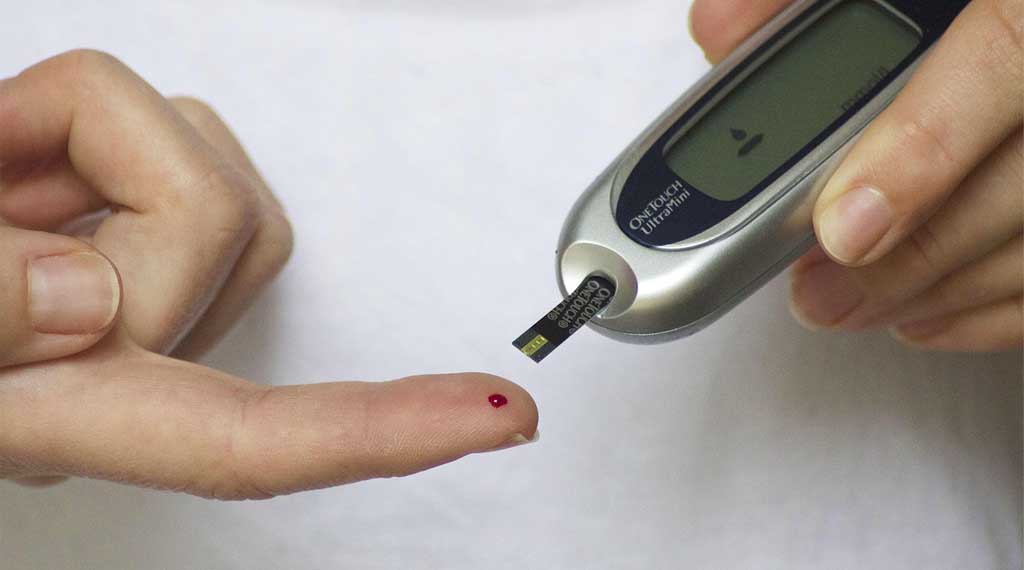
The tests are simple. A fasting blood sugar and an HbA1c are usually enough to start. HbA1c shows your average sugar over roughly three months, so you don’t need to worry about one bad day throwing off the result.
If your reports return high or borderline high, visit a diabetes specialist in Patna instead of popping a tablet that the chemist has sold you. Prediabetes, when detected early, can often be reversed with dietary changes and regular walks. However, this window of opportunity does not stay open for long.
Frequently asked questions
1. Can I have diabetes and feel absolutely normal?
Yes, and that is a big concern. Type 2 diabetes has been termed silent because it may not present symptoms for years, during which it can damage eyes, kidneys and nerves. Getting regular tests is crucial if you have a family history of diabetes.
2. Is a sugar test at the health camp or the chemist enough?
It is a screening test, and as such, while it is a good first step, it is not definitive. A single abnormal value on a screening test does not confirm diabetes since such tests are affected by food and other factors. If your results are abnormal, you should get a fasting blood sugar test and HbA1c test at a lab and show the results to a doctor.
3. When should I consult the best diabetes doctor in Patna instead of my family physician?
The family doctor is a good first point of contact. You should consult a diabetes specialist if your HbA1c levels are high, if your blood sugar is not controlled with medication, if you have been recently diagnosed with diabetes and wish to discuss your treatment plan, or if you have symptoms of neuropathy, such as tingling and numbness in the feet, or if you have eye problems.
One small step this week
Do not freak out on seeing this list. Exhaustion is often a part of modern life, and it is rarely a sign of diabetes. However, if you found yourself relating to a couple of these, make an appointment to get your blood tested this week. It will take ten minutes and will either give you a sigh of relief or start you on the road to feeling better.
If you’d like to talk to a diabetes specialist in Patna about your reports, Dr A. S. Prakash at Dr Prakash Diabetes Specialities Centre in Anisabad has over 15 years of experience in diabetes care. The centre has an in-house lab, and you can call +91 95070-19786 to book a visit.