
Maybe the report came this morning. Maybe the doctor said “diabetes”, and you nodded, but didn’t hear much after that.
A first diagnosis does that. Your head fills with questions. Will I need injections? Can I eat rice again? And somewhere in all that noise, you’re probably searching for the best diabetes doctor in Patna, because it suddenly feels like a big decision.
Here’s the catch. You don’t have to change everything in a month. The changes you make in this first month, however, will stay with you for life. So here’s a simple action plan, doable week by week.
This is general advice. Your treating doctor will modify this according to your reports and personal health situation.
Week 1: Get the diagnosis confirmed and meet the right doctor
It’s normal to feel shocked and numb for the first two days. Tell one person at home. Trust me, diabetes management is much easier if somebody in the house knows.
Now, get that diagnosis confirmed, because many of us, especially in Patna, tend to rely on a random sugar test done in a health camp or a private lab. Go to a specialist and get the following tests done.
- Fasting blood sugar of 126 mg/dl or above
- HbA1C of 6.5% or above (this is the average blood sugar over the last 3 months)
- Random blood sugar of 200 mg/dl or above with symptoms like frequent hunger
Once that is done, get yourself a copy of the reports and fix an appointment with a diabetes specialist in Patna. This is actually the most crucial part of your treatment in the next 30 days. A specialist can tell you the type of diabetes you have, if you need any medication immediately and if there are any complications already.
Bring along all your previous reports, the list of medications you are currently on, symptoms you have experienced (tingling legs, blurry vision, poor healing of wounds) and your family history. And most importantly, write down your questions while you are at home. You will forget half the questions once you reach the hospital.
He/she might also advise some baseline tests like an HbA1c, cholesterol, kidney function, thyroid, an eye check and a foot examination. These are like the photographs of your current diabetic status. You will need them again in 6 months to see if your blood sugar is under control.
Week 2: Change the plate, not your whole life
This is where most people go wrong. They cut out everything they love, and by day ten they’re hungry and eating a samosa at the tea stall.
You don’t have to quit rice. Just eat less of it. Try this: half the plate sabzi, a quarter dal or protein, a quarter rice or roti.
Some everyday Bihar foods actually help:
- Sattu. High in protein and fibre. Sattu sharbat with lemon and jeera, no sugar, keeps you full far longer than chai and biscuits.
- Chana and moong. Soaked or sprouted, they beat namkeen as a snack.
- Saag. Palak, bathua, chane ka saag. Eat plenty in winter.
- Litti chokha, in moderation. The sattu filling is fine. Watch the ghee and the count. Two is a meal. Five is a problem.
For now, no sweets like khaja or anarsa, no sugary chai all day, no chilled drinks and no maida snacks. During Chhath, you may not even be able to resist thekua, but do a small piece. Not four.
Also, forget a heavy dinner at 10 pm after a tiring workday. Your dinner should be smaller, earlier. Consult a dietician to chalk out a meal plan based on your family’s usual diet.
Week 3: Walk, sleep and start tracking
Rather than a treadmill at the fitness centre, take up walking. After dinner, try a 10-minute walk, and slowly build it up to 30-minute walks, five days a week. Winding up with a walk after meals is a good idea to burn sugars as muscles. If you have joint, heart or foot ailments, seek the opinion of your doctor.
Do not underestimate the value of quality sleep. Lack of it raises your blood sugar and makes you crave sweets. So aim for at least seven hours of sleep. If you snore a lot and feel tired even after a good long sleep, consult your doctor.
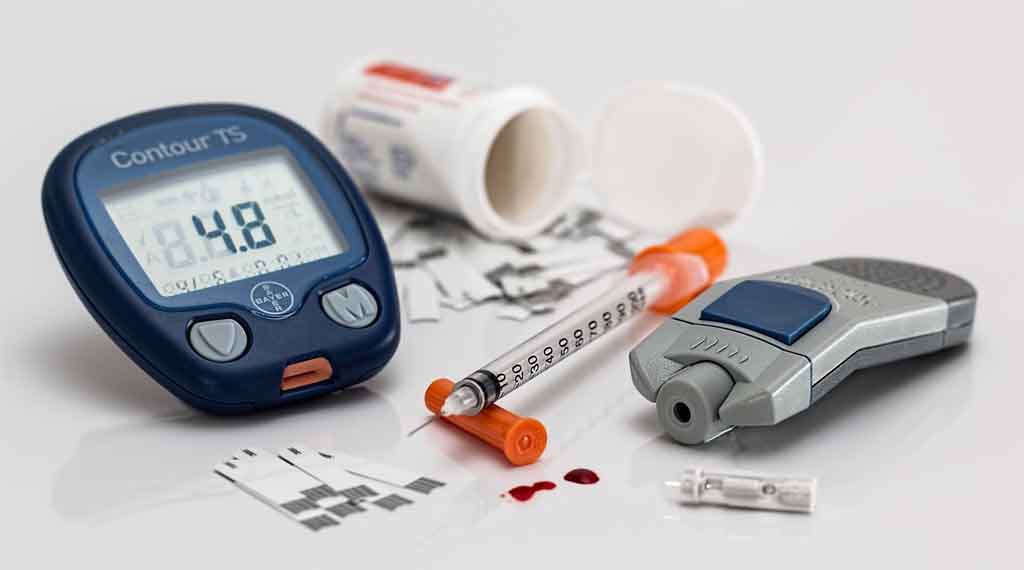
Buy a home glucometer and ask your doctor about the frequency of sugar tests. Keep a log of your readings, along with the date, time and the foods you ate before the test. It can be boring keeping track of the tests, but it will help your doctor during your next appointment to understand your condition.
Here are two more tips for tracking. Always wash your hands before testing, as any residue on them can affect the test. Also, do not change the dose of your medicines on the advice of one test.
If you are on drugs, educate yourself about the warning signs of low blood sugar, like feeling weak or having sudden sweating, feeling hungry or having a racing heart. Ask your doctor for help on what to do when you encounter such a situation.
Week 4: Review and plan ahead
Go for your follow-up appointment with your sugar notebook and your questions. Be honest about what you did not do during the trial period. If you missed a walk or felt dizzy on new medicines, be honest about it.
Good questions to ask could be:
- What HbA1c target should I be working towards?
- How frequently should I be testing myself?
- When is the right time to re-test my HbA1c? (It is usually advised every three months)
- How often should I get my eyes and feet examined?
A good diabetes specialist in Patna would love to hear these questions.
Once done, keep it simple. Every day: medicines, walks, balanced meals and a glance at your feet. Every few months: HbA1c tests and a doctor’s check-up. And once a year: eye, kidney and foot exams.
Thirty days ago, HbA1c was probably just a strange word. Now you have a doctor, a routine and a notebook full of numbers. That’s real progress.
Mistakes to avoid
Stopping medicine when sugar drops. Lower readings usually mean the medicine is working. Talk to your doctor first.
Trusting WhatsApp cures. Karela juice and methi water won’t replace treatment. Some “herbal” products sold online have even been found with hidden medicines in them.
Going too hard, too fast. Crash diets rarely last past week three.
Waiting for symptoms. Type 2 diabetes has no warning signs. Even when you feel great, your blood sugar may not be. Read on for the frequently asked questions.
Frequently asked questions
1. How to locate the best Diabetes Doctor In Patna for my newly diagnosed case?
The best diabetes doctor in Patna will be one who specialises in the disease. Ideally, you should look for a place that offers HbA1c, eye and foot screening on the premises and where you can ask whatever questions you have during the first consultation. The best diabetes doctors in Patna will be able to explain the reports in simple, everyday language and encourage you to ask them.
2. Is it possible to reverse type 2 diabetes in 30 days?
While type 2 diabetes cannot be cured, it is possible to lower blood sugar levels to healthy ranges, and this is often achieved in 30 days through a low-carb diet, increased physical activity, and medication. However, since the disease is still present in your body, it is classified as remission rather than reversal. On the other hand, thirty days is an excellent beginning!
3. Do I have to give up eating rice?
As long as you are having it in small portions and not pairing it with junk food, you don’t have to. The carb content of a cup of rice with dal and sabzi is significantly lower than that of a large plate of aloo rice. Your diabetes specialist in Patna or a dietician can advise you on the appropriate serving size.
A final word
You don’t have to be perfect; an extra laddoo at your cousin’s wedding won’t undo everything. Just return to the new routine the following day. Furthermore, you should save this page and share it with a family member.
They may want to know about the best diabetes doctors in Patna; have a call with Dr A. S. Prakash of Dr Prakash Diabetes Specialities Centre in Anisabad (which offers a comprehensive metabolic assessment and personalised diet plan) on +91 95070-19786.