29 Oct, 2025 | Admin | No Comments
Choosing the Right Flour: A Guide to Diabetic-Friendly Roti and Chapati
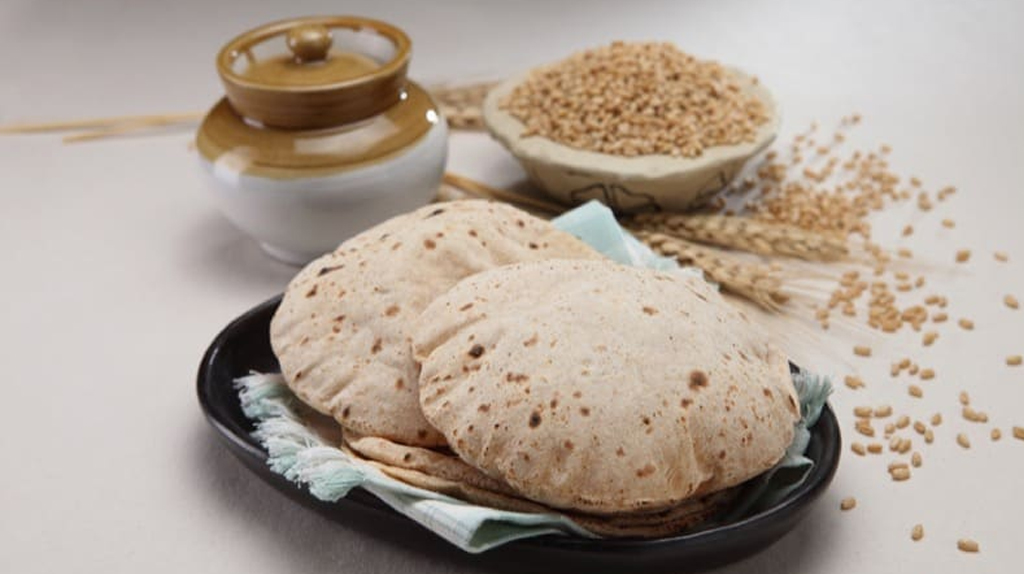
Living daily with diabetes calls for making wise food selections. Most Indians would generally have roti or chapati for their breakfast, a staple meal. A diabetic may feel that non-food flour is causing them a problem. As per the medical staff at Prakash Diabetes Hospital, which is the best place to find the best diabetes doctor in Patna, individuals with well-controlled blood sugar levels are allowed to consume carbohydrates but only in limited quantities. Besides, they have to choose flours that are suitable for diabetics and contain good and complex carbohydrates.
The primary treatment of diabetes requires the consumption of food that minimally increases the blood sugar level. A normal whole wheat roti, which is one of the common staples in the Indian diet, can be turned into a healthy source that meets the dietary needs of diabetics. Why not learn the craft of preparing healthy roti for diabetics? The taste and the texture can still be maintained.
Flour Alternatives for Diabetics
According to the expert team from Prakash Diabetes Hospital and numerous other specialists, the best choice is to use the following flours.
Multigrain Flour
It is possible to significantly enhance the nutritional content of roti while toning down the carbohydrate part if one chooses to mix different flours such as jowar (sorghum), bajra (pearl millet), and ragi (finger millet) rather than sticking to plain wheat flour only. All these flours have low glycemic indices and are great sources of dietary fibre, vitamins, and minerals and, therefore, become the perfect health-supporting foods for people with diabetes.
Coconut Flour
The delightful and fragrant powder that comes from the grinding of the dried coconut is known as coconut flour.
Coconut flour is so rich in fibre that its carbohydrate content is very low; thus, it is a much healthier alternative to regular flour. One of the reasons scientists cite in favour of fibre is that it slows the absorption of sugar from the blood, which in turn stabilises blood sugar levels.
Coconut flour tastes somewhat sweet and can be used in different baking food products such as cakes, cookies, muffins, and bread. But if you are changing baking recipes to cater for the substitution of coconut flour for white flour, you will also need to make changes in the baking formula because coconut flour absorbs a lot more liquid than the liquid is not adjusted, the result will be a dry and crumbly texture.
Usually, the replacement will be only one-quarter cup of coconut flour for one cup of all-purpose flour. Liquid should also be increased correspondingly.
Oat Flour
Oat flour is a whole-grain flour of great popularity that is produced by grinding oats to a fine powder.
Besides being an excellent source of fibre and protein, oat flour also has beta-glucan, which is a special type of fibre, and studies indicate that it may assist diabetics in lowering their blood sugar levels.
Oat flour offers a subtle nutty flavour. It also provides that moist, soft flavour and the characteristic chewiness of baked goods when it is used in a recipe.
With cookies, bread, muffins, pancakes and other treats, you can substitute white flour for oat flour from a one-to-one ratio.
Oat flour is a good substitute for all-purpose flour; however, increase the amount of flour a tad. For each cup of all-purpose flour, use about one-and-one-third cups of oat flour.
Almond Flour
Almond flour is basically the powdered version of ground almonds and can be used as a substitute for wheat flour when following a gluten-free diet.
Along with being low in carbs, almond flour is high in protein, fibre, and heart-healthy fats, which lead to a low glycemic index (GI) (a measure of how foods influence blood sugar). As the researchers mention, foods with a low glycemic index are helpful in the management of diabetes.
This almond flour has a mildly nutty taste and can be used as a direct replacement of white flour in almost any kind of recipe, such as muffins, cookies, bread, and crackers.
However, it is advised that people should be conscious of the fact that the almond flour baked goods can get heavier as the flour is gluten-free. The studies suggest that gluten, a protein, is the one that binds the dough’s elasticity and the baked goods’ ability to rise.
Essentially, a person can just interchange a cup of regular flour with a cup of almond flour, and the recipe will yield the same result.
Jackfruit Flour
Jackfruit flour is a fibre-enriched product and does not promote a rapid spike in blood sugar levels as fast as simple carbs and starches. Nutritionists claim that jackfruit flour is a diabetic-friendly food since it contains resistant starch, which is a part that is not easily digestible. They also say, “Resistant starch is great as it nourishes the gut microbiome, which contributes to the increase of the beneficial bacteria in the gut.”
An investigation published in the journal Nutrition and Diabetes revealed that type 2 diabetic patients, who changed their rice or wheat consumption to jackfruit flour, had a very significant decrease in their glycated haemoglobin (HbA1c), fasting plasma glucose (FPG), as well as postprandial glucose (PPG) levels.
Flaxseed Flour (Alsi)
Flaxseeds are very good for the body since they are loaded with omega-3 fatty acids and fibre. Any time you incorporate flaxseed flour (or ‘meal’) in your roti or pancake batter, you not only upgrade the taste, but, simultaneously, you obtain a multitude of health benefits, like better heart health and blood sugar regulation.
Chickpea Flour (Besan or Chana Atta)
The major ingredient of chickpea flour is the dried and ground version of chickpeas. In short, it is a non-wheat flour, naturally gluten-free, thus it is a perfect type of food for diabetics.
Chickpea flour is an abundant protein source. One set of studies points to a high-protein diet as a factor that leads to lowering insulin resistance – a condition where the body’s ability to regulate sugar is compromised.
Chickpea flour has an intense, pleasant, nutty flavour. It is equally suitable for the preparation of sweet and savoury dishes based on flour, e.g. cheela, flatbreads, pancakes, and cookies.
Besides that, chickpea flour is inherently thickening and binding; thus, it would be the perfect substitution for wheat flour in vegan and gluten-free recipes.
100% Whole Wheat Flour (Atta)
Though refined white flour (maida) is also produced from wheat, from a nutritional point of view, 100% whole wheat flour is a completely different matter. The process of making white flour removes the wheat germ and bran, which are the most nutritionally valuable parts of the wheat kernel.
Whole wheat flour is produced by milling the wheat kernel with all its parts and is, therefore, very rich in protein, fibre, iron, and potassium.
Generally, whole wheat flour may be replaced by a regular flour in a one-to-one ratio, but the roti will turn out to be a bit thicker and less soft than that of maida.
Sorghum Flour (Jowar Atta)
Sorghum is quite a mineral-rich food (magnesium, zinc, phosphorus, etc.), and it also contains all the essential amino acids. Besides, it is a gluten-free product and is very gentle for the digestive tract. The best diabetes doctor in Patna says, “Sorghum rotis are a healthy substitute for wheat rotis in the case of diabetics and gluten-intolerant people.”
Finger Millet Flour (Ragi Atta)
Finger millet flour is very rich both in dietary fibre and calcium, and hence, it can be very supportive in a diabetes management program. However, the most considerable problem with gluten-free flours is that they are likely to crumble into small pieces.
Amaranth Flour
Being a gluten-free grain, Amaranth has all the essential amino acids and thus, it is the best choice for a person who is required to keep his/her blood sugar level under control. Nutritionists and the best diabetes doctor in Patna says, “Superfoods with all the essential amino acids are complete proteins,” by which they mean that fibre in amaranth is a blood sugar-lowering agent, and it also extends the feeling of satiety.
Quinoa Flour
Just like amaranth, quinoa is a complete protein and an excellent alternative to rice. Additionally, it can also be made into a gluten-free, protein-rich flour. The expert said, “The reason her high fibre content is helpful for weight management is that it keeps one full for a longer period.”
Buckwheat Flour
The main source of energy in buckwheat is complex carbohydrates that digestion takes a long time. According to the dietitian, in the north of India, buckwheat flour (kuttu ka atta) is the essential component that is used for making puri (deep-fried bread), pakoras (fried fritters), and halwa (a sweet dish). Besides, you can also combine it with other flours to make healthy chapatis.
Pearl Millet Flour (Bajra Atta)
Bajra flour is not only very trendy during the cold season, but it is also another perfect millet for the regulation of blood sugar in diabetes. It is packed with fibre, magnesium, and protein. Bajra has a very low glycemic index, which helps in sugar slow release into the blood. A study published in the Journal of Nutritional Research revealed that a relatively high millet (such as bajra) consumption had a significant effect on lowering blood sugar levels of diabetic patients.
Key Points to Remember
- Prioritise Nutrients: Choose flours that give you substantial amounts of dietary fibre, proteins, and good-for-heart fats like almond, chickpea, and millet flours (jowar, bajra, ragi).
- Watch Your Carbs: Flours such as 100% whole wheat and oat are better food choices than white flour, but in terms of carbohydrates, they are almost the same. Coconut and chickpea flours are slightly lower in carbohydrates.
- Portion Control Is the Most Important Factor: No matter what kind of flour you use, carbohydrate counting must be done. Even healthy flours will raise blood sugar if you eat too much.
- Do Not Use White Flour (Maida): Refined wheat flour (maida), which is very high in carbohydrates and low in fibre, can cause very high blood sugar levels followed by very low ones; thus, it should be avoided or consumed in very limited moderation.
A Note from Prakash Diabetes Hospital
It is just one great step in the right direction to choose the right atta, but managing diabetes is a journey. Your food requirements are different from others. To have a diet plan made just for you, along with complete diabetes care, it is always better to have a consultation with an expert.
The team at Prakash Diabetes Hospital is committed to helping you achieve your goal of living a healthy life, full of energy and joy. In case you are looking for the best diabetes doctor in Patna to guide you, schedule an appointment with us today.
Write Reviews
Leave a Comment
No Comments & Reviews