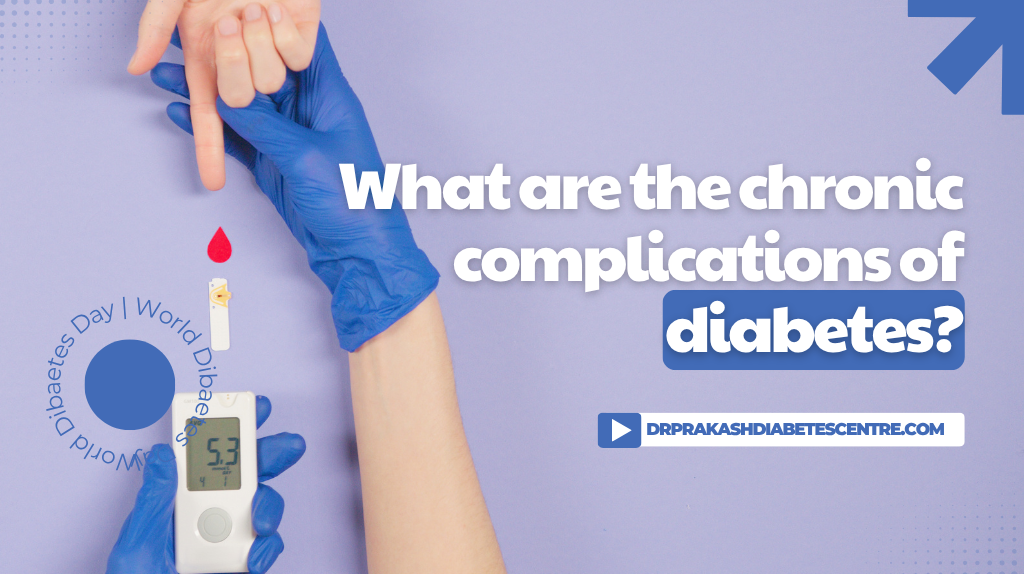
Diabetes is an illness that affects the body bit by bit, and most of the time the changes are of a slow nature. After some time, the excess glucose (blood sugar) in the blood may cause damage to various organs. That is what is referred to as “complications” of diabetes.
Once you have been diagnosed with prediabetes, you have to make health care decisions that are both immediate and very important to lower the risk of such diseases. The best diabetes doctor in Patna can definitely be of great help to you in this matter by guiding you through the process of reversal.
About Long-Term Effects of Diabetes
Diabetes mellitus stands for the case where blood glucose levels, a sugar form, are above normal. In the end, there could be major consequences of such an elevation, which could lead to the decay of different body organs. The prolonged incidence of such effects is the damage both to large vessels, e.g., the aorta and small vessels – capillaries, which are responsible for the supply of oxygen to nerves, kidneys, eyes, gums, feet, and all the internal organs.
Reducing the Long-Term Effects of Diabetes
There is a chance that the adverse long-term effects may be almost eliminated by a diabetic strictly following his/her regimen of blood sugar, blood pressure, and cholesterol control that is within the recommended limits. Also, keeping fit, eating well, practising moderation in alcohol consumption, and smoking cessation will contribute further to the risk reduction.
Undoubtedly, taking regular health checks is a very good practice for early recognition and handling of any problems. At Prakash Diabetes Hospital, we, a team of the best specialists in diabetes led by the best diabetes doctor in Patna, are always available to offer you complete regular checkups to ensure your good health.
Diabetes and Healthy Eating
It is a must that a diabetic patient gets a variety of different types of nourishing and healthy food, but the consumption of sugar-based snacks has to be avoided at all costs.
Mix and match different kinds of foods coming from all food groups and make a choice for foods that are rich in fibre and low in fat. Simultaneously, it is advisable to cut down on salt consumption as well. If you want to be more informed and enhance your diet, you may consult a registered dietitian for evaluation and guidance on what to eat, as well as portion sizes. Prakash Diabetes Hospital is very proud of its great team of experts and dietitians who are always available to assist you in finding your perfect diet plan.
Complications of Diabetes over the Long Term
Find out more about these complications:
Cardiovascular damage
Type 2 diabetes is a major risk of several diseases interconnected with compromising the cardiovascular system, including heart disease, atherosclerosis, stroke, peripheral artery disease, and chronic kidney disease.
Hypertension
Hypertension is a condition that diabetics should be very wary of. Along with blood sugar remaining high for a long time, if blood pressure is left to increase without any control, then heart disease, kidney disease, or stroke, among other serious health complications, will result.
Peripheral Nerve Damage (Diabetic Neuropathy)
After a very long period, very high blood sugar causes nerve damage called diabetic neuropathy. The symptoms of diabetic neuropathy may consist of numbness, tingling, or pain in fingers, hands, toes, and feet. The condition usually starts in the fingers or toes and then it spreads further by spreading. The symptoms of nerve damage may also be vomiting, diarrhoea, constipation, erectile dysfunction, and dizziness.
Stroke
Various pieces of evidence have pointed out that one of the reasons for stroke is poor control of diabetes.
Kidney Damage Diabetic Nephropathy
Every minute, the kidneys cleanse the body by removing waste products and extra fluid from roughly half a cup of blood. In the long run, diabetes will be the source of kidney damage, and the kidneys will not be able to carry out their functions; hence, a situation of kidney failure will follow, which will require either dialysis or a kidney transplant.
Dialysis is a method by which the blood is cleaned of waste products and extra fluid when the kidneys are not functioning.
Osteoporosis
Type 1 diabetics have a higher chance of osteoporosis, a disease that makes their bones weak. This ultimately leads to the risk of fracture.
Eye Problems
Type 2 diabetics must go through eye tests on a regular basis. This is because there may be damage to the tiny blood vessels in the eyes. Therefore, it is very significant to know that the best diabetes doctor in Patna is the one you should consult for a regular screening schedule. The eye problems may come:
- Diabetic retinopathy is a condition in which the retina’s blood vessels become damaged, leading to impaired vision.
- Glaucoma is a situation in which the eye pressure goes up as a result of the fluid that is usually flowing out getting blocked.
- Cataracts: The eye lens may become cloudy.
When these diseases are not checked and treated, they will, in the end, cause a complete loss of vision.
Foot Problems
Continued high blood sugar can result in damage to the nerves and blood vessels in your feet. As a result, you may experience numbness, pain, or an inability to feel in your feet. What may seem like a small cut or blister can develop into an ulcer or infection, thus causing you serious problems, even amputation. Make sure that you take good care of your feet to avoid these long-term risks.
Skin and Mouth Problems
Diabetes affects the immune system and puts the sufferer at risk for skin and mouth infections and gum disease. Besides, dental exams are equally necessary.
Alzheimer’s Disease and Dementia
One of the factors that leads to Alzheimer’s disease and dementia later in life seems to be poorly controlled blood sugar. The exact link is not entirely clear, but the brain cells are known to need glucose as their source of energy. When they do not get the right amount of fuel, brain cells may be injured.
Alcohol and Diabetes
Do not let the alcohol you take get out of hand. Alcohol should be limited to a maximum of two standard drinks per day for men and one for women. “If you are drinking alcohol” is an unnecessary phrase. If you are pregnant, planning to be, or breastfeeding, alcohol is not allowed under any circumstances.
Diabetes and a Healthy Weight
Any weight loss will have a positive impact on your blood pressure, blood sugar, and cholesterol levels; however, if you lose fat from your belly, the effect will be even more powerful, especially in cases when you are obese or overweight.
Weight loss is quite tricky; hence, it would be nice to initially set some short-term goals that are attainable. Pay attention to your food intake, check if the food is nutritious and evaluate the quantity of it that you eat during each meal. There is no doubt that a registered dietitian can be very helpful in meal planning that will be suitable for you and in addressing your confidential food-related questions.
Diabetes and Exercise
Be physically active as much as possible. A typical piece of advice is that one’s work should be of moderate intensity for at least 30 minutes most days of the week, and the time and intensity should be gradually increased. In the case where the goal is to lose weight, it is most often recommended that the duration of the physical activity should be at least 60 minutes every day.
Suppose you cannot go for a walk, swim, or gym; then there are water aerobics, chair exercises, or you may simply do weight training, which might be possible for you. If you are uncertain whether a particular type of exercise is good for you, it would be best decision to see your doctor.
On the other hand, if you have a medical condition that limits your ability to perform certain types of exercises, a physiotherapist, who is a qualified health professional, can help you develop a workout routine that suits your needs and abilities.
Smoking and Diabetes
Smoking remains one of the most significant causes of complications in diabetic patients. It is the major factor that negates the good effects of weight loss, healthy eating, and the maintenance of optimal blood sugar and blood pressure levels.
Besides, smoking worsens the blood circulation process, increases the heart rate and blood pressure, and reduces the diameter of the small blood vessels. Nicotine in tobacco smoke makes arteries stiff while the chemicals in the smoke thicken the walls of the blood vessels, leading to the accumulation of fats that eventually block the arteries, causing cardiovascular diseases like heart attacks and strokes. Other symptoms include chest pain and shortness of breath.
Compared with non-smoking diabetics, smokers usually have high blood sugar levels and find it difficult to keep their blood sugar levels stable.
Preventing and Managing Complications at Prakash Diabetes Hospital
The surest method to avert or postpone such problems is by having strict and effective blood glucose control. Managing one’s diabetes well through regular exercise, balanced eating, and maintaining a healthy body weight is a must.
It is worth noting that the condition may lead to health problems, primarily when the disease is not well managed.
There is a good aspect to this situation as well, which is that diabetes can be effectively managed. The majority of diabetic people, if they live healthily and undergo regular check-ups, can keep the complications at bay or live without them for a long time. Never think of complications as a trigger for taking action. It takes a long time to live with the diabetes management challenge, but remember you are not by yourself.
We, the team at Prakash Diabetes Hospital, Patna, are ever ready to extend to you our hand of highest care. Reach out to us now, schedule an appointment with the best diabetes doctor in Patna and take back control of your life.
Write Reviews
Leave a Comment
No Comments & Reviews